
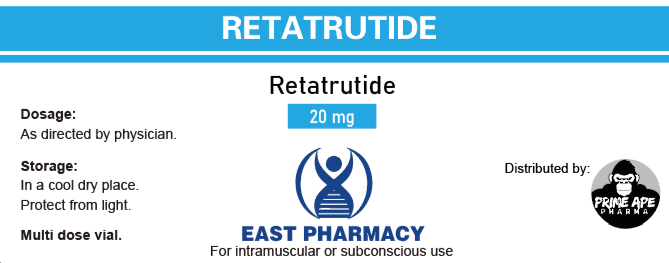
 | Retatrutide Triple hormone agonist receptor peptide that targets the GLP-1, GIP, and glucagon receptors. Used for obesity and metabolic conditions, it has shown substantial weight reduction and metabolic improvements. Triple Agonism Additional Study Areas Substantial weight reduction Increased energy expenditure Blood sugar control Purity: %99.9 Qualitative Assay: 23.37 |
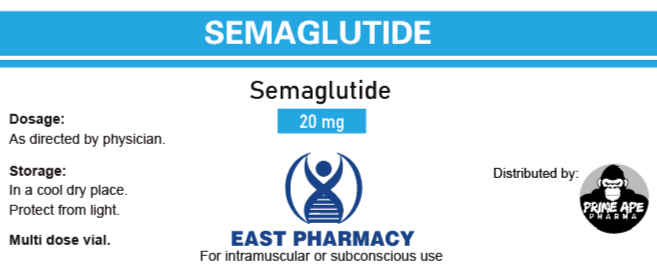 | Semaglutide Semaglutide is an FDA-approved medication for type-2 diabetes that possesses fat-burning properties. Semaglutide falls into the category of a glucagon-like-peptide-1 receptor agonist (GLP-1 RA) At higher doses, Semaglutide promotes fat loss and helps Suppress appetite. Promotes fat loss Manages appetite Fights type 2 diabetes Prevents cognitive decline Lowers blood pressure Lowers the risk of cardiovascular disease |
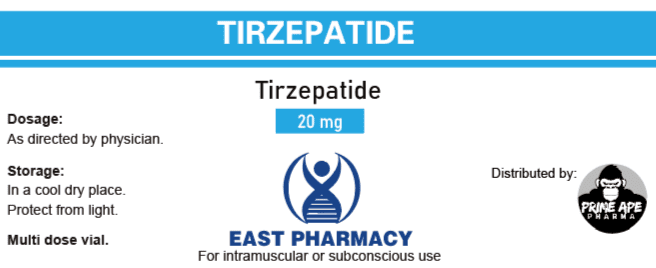 | Tirezepatide Tirezepatide is a synthetic modification of the glucose-dependent insulinotropic peptide (GIP) Tirezepatide is considered the successor to Semaglutide when it comes to weight loss. Tirezepatide works on GIP and GLP-1 receptors, while Semaglutide only works on the GLP-1 receptors. Suppress appetite. Promotes fat loss Manages appetite Fights type 2 diabetes Prevents cognitive decline Lowers blood pressure |
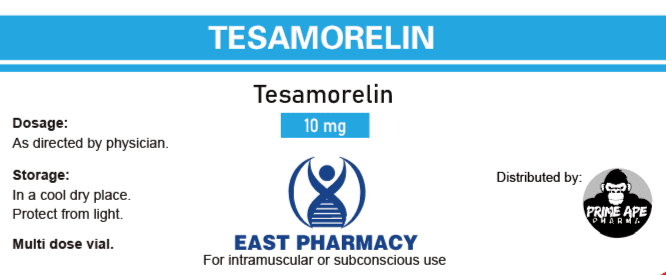 | Tesamorelin Tesamorelin is a GHRH (Growth Hormone Releasing Hormone) FDA-approved drug for lipodystrophy (abnormal distribution of fat) The “Gold Standard” GHRH Enhances endogenous growth hormone creation in the body. Increase production of endogenous growth hormone Promotes muscle growth Helps with mood and stress resilience Slows down aging Improves sleep Promotes a balanced inflammatory response Improves bone density |
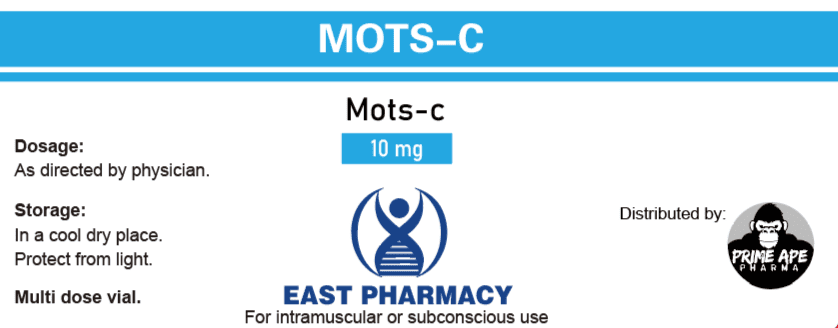 | MOTS-C A gene in the mitochondrial DNA produces MOTS-C MOTS-C is often called the “exercise-induced” peptide This peptide plays a crucial role in signaling and energy production by regulating multiple metabolic functions throughout the body. Accelerates weight loss Improves blood sugar levels and treats symptoms of diabetes Improves heart health Fights bone loss Increases life expectancy Improves exercise tolerance Fights bacterial infection |
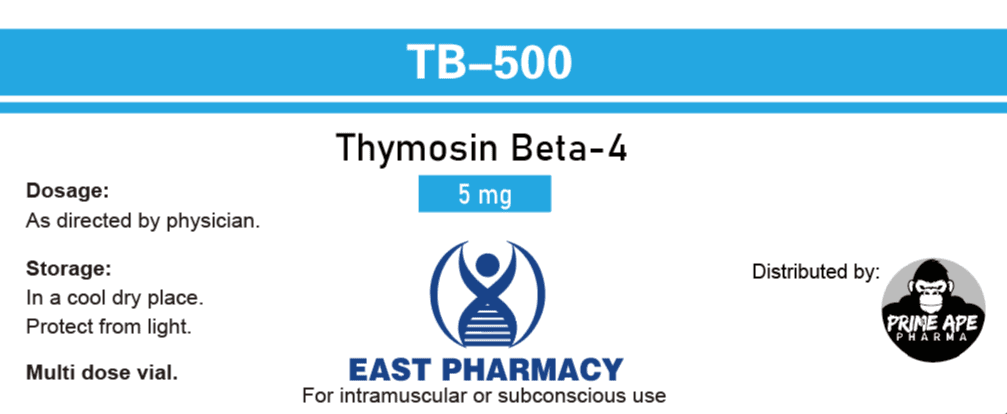 | TB-500 Thymosin Beta-4 (TB-4) is related to thymosin, a hormone secreted by your thymus, with its primary function to produce T cells, which is an essential aspect of the immune system. TB-4 plays an essential role in the protection, regeneration, and remodeling of injured tissues by influencing the movement of tissues TB-500 is often referred to as “TB-4,” but TB-500 is a synthetic fragment of one of the four binding domains of TB-4. TB-500’s primary purpose is to promote healing of: Joints and muscles Boosts the immune system Improves heart health Improves liver health Accelerates wound healing Improves eye health Promotes nerve regeneration Improves brain health Improves lung health Improves blood pressure Promotes hair growth |
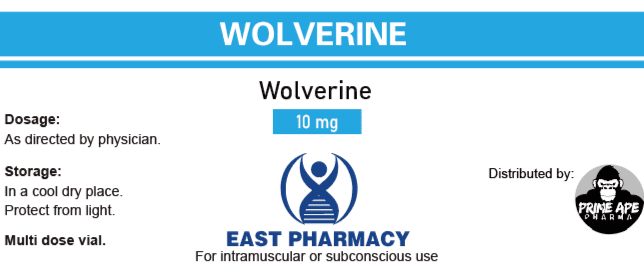
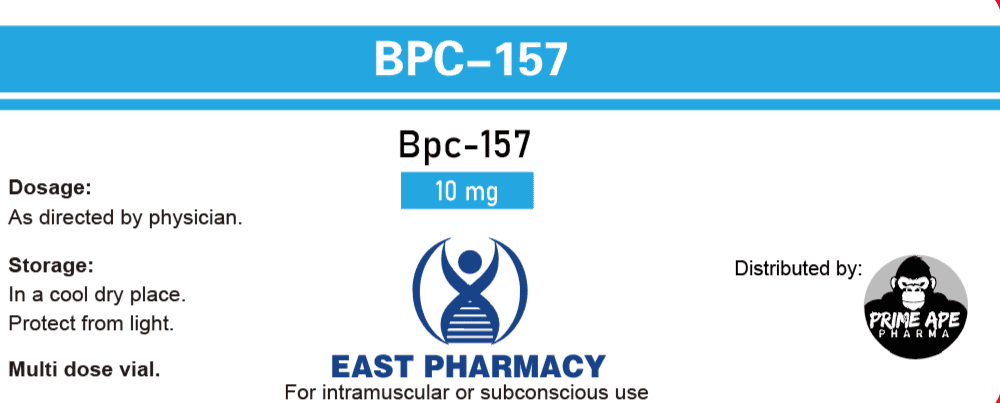 | BPC-157 BPC-157 stands for body-protective compound. It was discovered in the human gastric juice Often called the “wolverine” peptide It is one of the most well-used and well-researched peptides, as it offers a wide range of healing benefits BPC-157 is neuroprotective (brain), cardioprotective (heart), gastroprotective (stomach), and musculoskeletal protective (joints, ligaments, and muscles) Accelerates wound healin Accelerates healing of soft tissue injuries Improves bone and joint health, Improves digestive health Improves cognitive health Exerts anti-cancer properties Helps regulate blood pressure Increases growth hormone receptors |
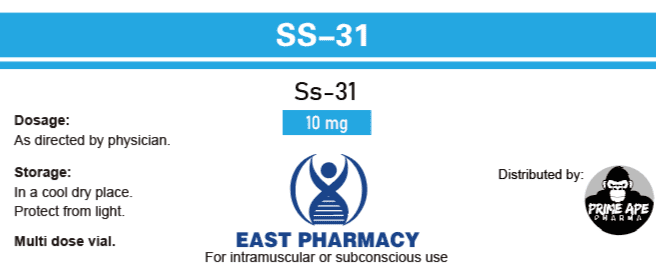 | SS-31 SS-31 (Elamipretide) is a synthetic derived peptide that targets mitochondria and has been shown to protect and heal mitochondria Szeto-Schiller (SS) peptides target mitochondria membranes and are classified as a ROS (reactive oxygen specifics) scavenger, which prevents damage to cells SS-31 has several anti-aging effects that could help with the treatment of age-related diseases, genetic disorders, kidney injuries, and heart diseases Improves cardiovascular health Boosts brain power Prevents cancer Prevents kidney injury Helps heal lung injuries |
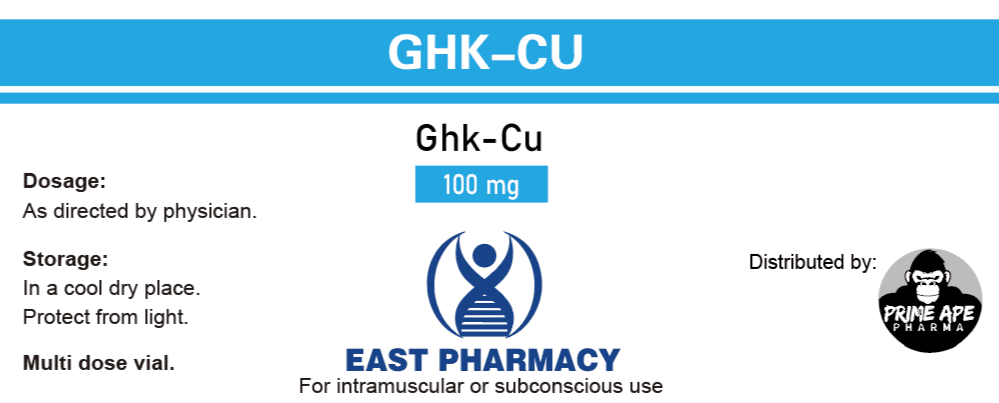 | GHK-Cu GHK-Cu is a naturally occurring copper peptide found in human plasma. As people age, they naturally lose the ability to produce this This peptide is commonly used in hair and skin products due to its strong regeneration and anti-inflammatory properties This peptide modulates over 500 different gene expressions, resulting in multiple health and anti-aging benefits Tightens loose skin Enhances skin elasticity Reduces fine lines and wrinkles Accelerates wound healing Improves lung health Fights hair loss Accelerates nerve regeneration Promotes bone repair Fights Inflammation |
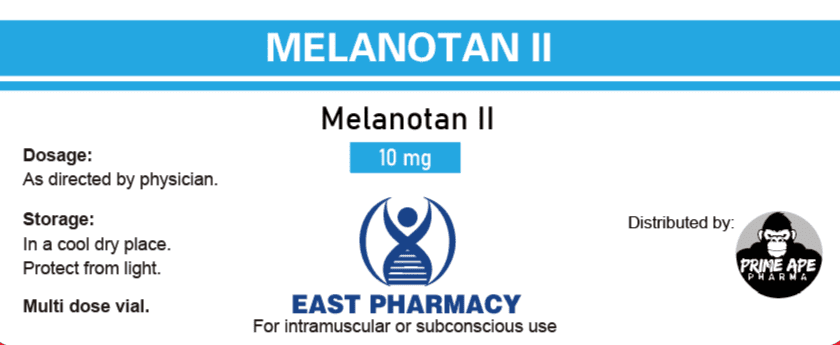 | Melanotan II Melanotan I and Melanotan II work on the melanocortin system and replicate the hormone melanocortin, which is naturally released by the pituitary gland These peptides increase melanogenesis, which plays an import role in tanning, immune support, and sexual support Melanotan I is often used more frequently as it has fewer side effects than Melanotan II Melanotan II does display a more intense response with more benefits but has a higher side-effect profile. Melanotan I and Melanotan II work on the melanocortin system and replicate the hormone melanocortin, which is naturally released by the pituitary gland These peptides increase melanogenesis, which plays an import role in tanning, immune support, and sexual support Melanotan I is often used more frequently as it has fewer side effects than Melanotan II Melanotan II does display a more intense response with more benefits but has a higher side-effect profile. |
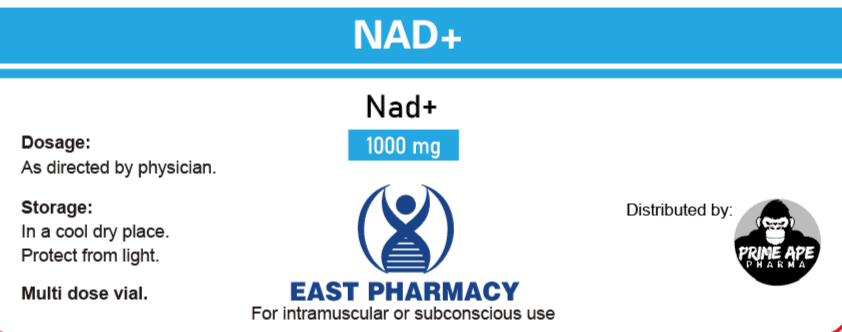 | NAD+ While often marketed together in wellness clinics as "NAD peptide therapy," NAD contains no amino acids or peptide bonds; instead, it is a metabolic molecule found in all living cells that drives cellular energy and DNA repair Energy Production: Acts as an electron shuttle in mitochondria to create ATP, your body's main energy source. DNA Repair: Fuels enzymes (like PARPs) that fix damaged genetic material. Cellular Health: Supports sirtuins, proteins linked to stress response and metabolic regulation. Age-Related Decline:Natural NAD+ levels drop significantly as you age, which drives interest in restoring them |
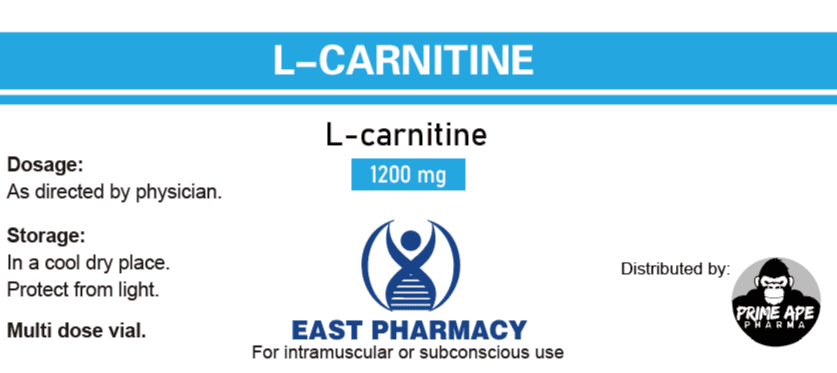 | L-Carnitine Injectable L-carnitine (levocarnitine) is a compounded or prescription amino acid derivative that bypasses the digestive tract to transport fatty acids directly into cellular mitochondria for energy production. It is used medically for severe carnitine deficiencies and utilized in fitness settings for enhanced bioavailability and fat metabolism support. Bypasses the Gut: Oral L-carnitine has a lower absorption rate compared to injections, requiring high oral amounts that can cause digestive upset or convert into unwanted gut metabolites like TMAO. Direct Absorption: Injections (administered intramuscularly or subcutaneously) deliver a high percentage of the active compound directly into circulation to optimize cellular energy. Fat Transport: It carries long-chain fatty acids into the mitochondria where they are oxidized into ATP (cellular energy) |
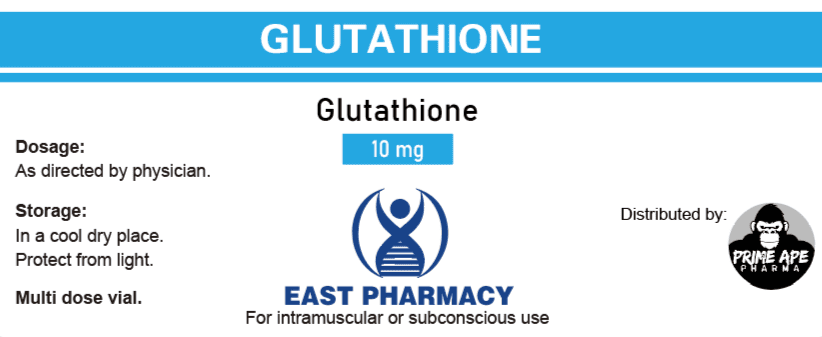 | Glutathione Glutathione is a natural tripeptide composed of three amino acids: glutamate, cysteine, and glycine. Often called the body's "master antioxidant," it protects cells from free radicals, supports immune function, and helps the liver detoxify harmful substances. Fights Oxidative Stress: Neutralizes reactive oxygen species and lowers cell damage. Aids Detoxification: Supports liver pathways to clear toxins and heavy metals. Supports Skin Health: May reduce pigment production and brighten skin tone |
 | |
 |